Goals Through Measurable Progress
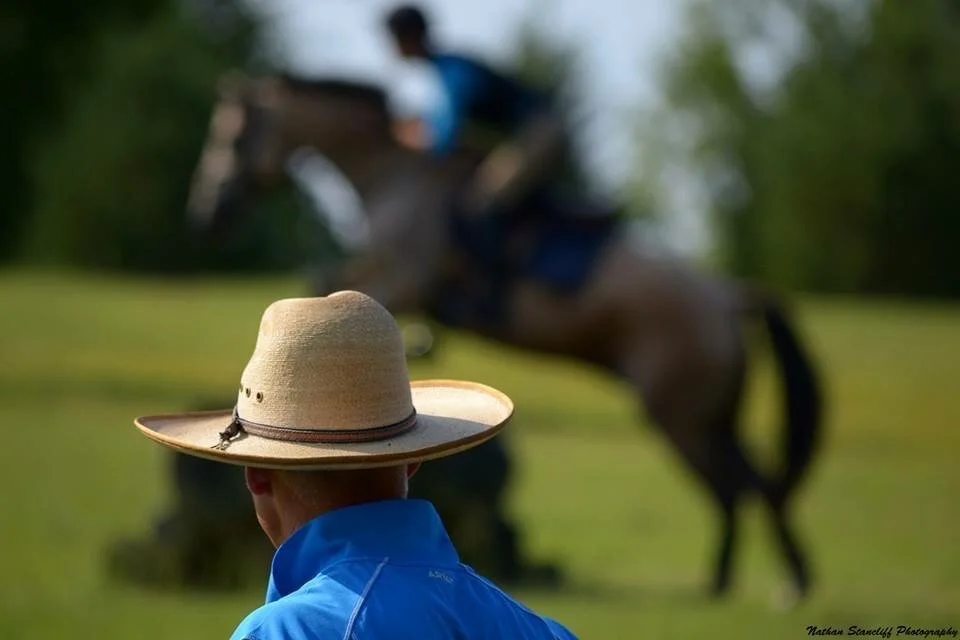
Photo credit Nathan Stancliff
Riding is one of those skills you never truly master. Chasing perfection can feel as abstract as finishing a painting before the brush ever touches the canvas. First, you have to get your brush wet.
Whether you ride for pleasure or compete at a high level, we all carry goals. Dreams of winning ribbons or reaching a certain standard can be motivating—but they can also become frustrating when our equine partner doesn’t quite fit the picture we imagined. That frustration often comes not from lack of effort, but from lack of clarity.
To make a goal attainable, there must be accountability in the steps that lead toward it. Even if your goal is simply to enjoy the ride more, you must first understand what makes it enjoyable. From there, you can begin developing a skill set that improves the odds of getting there.
Riding, like art, offers infinite possibilities. Each partnership is unique. But without measured steps, progress becomes ambiguous. Anyone chasing the perfect picture without a system is essentially working in the dark—and that uncertainty often leads to discouragement.
Take a goal like winning a Five-Star event. You may share that ambition with dozens of other riders. What separates those who progress from those who stall isn’t entitlement or luck—it’s preparation, consistency, and acceptance of chance. We control our actions, not outcomes. Riding, by nature, becomes a game of odds.
Progress has always been my greatest motivator. I define it as increasing the odds of a desirable outcome over time. Without adjusting routine or following a program, the results tend to stay the same—often vague and unsatisfying. It’s easy to mistake occasional highs for progress, but those moments alone don’t build readiness or reliability.
Jumping a single big fence doesn’t mean you’re prepared to ride a full course. Executing one movement well doesn’t guarantee success in a complete dressage test. Skill is what improves the odds—and skill is built through repetition, honesty, and time.
Finding the Limiting Factor
To improve skill, you must identify the limiting factor in your partnership. The limiting factor would be the one thing that is holding you back from progress. That factor might be balance, confidence, timing, understanding, or even performance anxiety. Discovering it requires humility and a willingness to look honestly at patterns over time—not just isolated rides.
Experience is the greatest teacher. Learning from your own rides—and from others—shortens the learning curve and reduces unnecessary struggle. With patience, repetition, and education, riding skills can improve dramatically when attention is placed on the limiting factor rather than the outcome.
Progress only continues when we keep looking clearly at both strengths and weaknesses. As a competitor, trainer, and coach, I design exercises that challenge known limitations while uncovering new ones. Undesirable results are not failures—they’re information.
Remember, your horse is always seeking comfort and clarity. In every result, good or bad, there is feedback guiding you toward the next best action. Anyone with experience has felt both highs and lows. What matters is how you use that experience to improve the odds of future success.
Goals will evolve as new information is gained. Breaking them down makes progress visible and keeps momentum alive—fueling the journey not only with achievement, but with integrity.